
Where Should Pakistan Build its Most Resilient Data Centre?
By Hassan Nawaz Hassan Nawaz is a Cloud Infrastructure Architect and specialist in zero trust modernization, cloud migration methodologies, and critical infrastructure resilience. Murree has cooler air, Karachi has connectivity and Islamabad has skills. None offers resilience without the right geology, power and fibre. Norway’s Green Mountain data centre occupies a former
Entrepreneurial Competencies for Technology-Driven Engineers
Engr. Dr. Muhammad Nawaz Iqbal The entrepreneurial skills of technology driven engineers is a paradigm change from the traditional role of an engineer as a problem solver to that of an opportunity architect, a business builder and a societal innovator. In technologically driven economies, knowledge of engineering is not enough to create
Reviving TIP without Government Bailouts: A Practical Restructuring Framework
Muhammad Ali, Chartered Accountant, Former Chief Financial Advisor NRTC & Former Chief Financial Officer Telephone Industries of Pakistan Telephone Industries of Pakistan (TIP) possesses substantial industrial assets, commercial real estate, technical infrastructure, and untapped financing potential. Yet the company’s revival continues to be constrained by historical liabilities rather than operational limitations. A
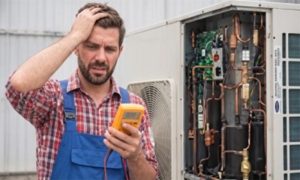
Navigating the VRF Maintenance Paradox: The Challenge of Spare Parts Availability in Pakistan
By Qasim Diwan – Shabbir Brothers Over the past decade, Variable Refrigerant Flow (VRF) systems have fundamentally transformed Pakistan’s commercial and residential HVAC-R landscape. Celebrated for their exceptional energy efficiency, precise temperature zoning capabilities, and architectural flexibility, VRF units have rapidly become the standard climate control solution for modern high-rises and corporate
Short Circuit Ratings of Power Cables
Muhammad Faheem Meer, Business Management Consultant Brugg Kabel AG, Switzerland & Worldwide Cables (Pvt.) Ltd., Pakistan Power cables are designed to carry their rated current continuously under normal operating conditions. However, electrical systems occasionally experience faults such as: During these conditions, fault current may rise to 10–50 times the normal load current,

Pakistan’s Workplaces Want Women-But Are They Ready for Them?
By Amina Abdul Ghafoor, Manager Sales SCS- MSPM, BEE Recently, while sitting in a lounge with a group of professional women over tea, what began as a casual conversation took an unexpected turn. One of my friends quietly admitted that she deliberately avoids drinking water, tea, or coffee throughout the workday. We
Strategic Mapping of Sustainable Engineering Innovations
Engr. Dr. Muhammad Nawaz Iqbal The strategic mapping of sustainable engineering innovations is an intellectual process that could mean a shift away from conventional technology roadmaps, combining systemic foresight, ecological intelligence and adaptive value creation within a common framework. It does not only define technological pathways, it sets up dynamic linkages between
Technology Adoption Models for Sustainable Engineering Practices
Engr. Dr. Muhammad Nawaz Iqbal Technology adoption models have grown in significance over the years to help explain how engineers, industries and organization adopt new technologies that have the potential of enhancing the environmental, economic and social performance. There is a need to introduce renewable energy systems, resource efficient manufacturing, green materials,

Finding & Preventing Hidden Failure Causes by Understanding System Interactions
By Engr. Asim Saeed, TRIZ Consultant & Innovation Strategist In many factories, equipment failures are investigated after the breakdown has already occurred. A bearing fails, a pump stops, a motor overheats, or a product defect appears. The usual response is to replace the failed component, increase inspection frequency, or add preventive maintenance