

Report by Engineering Post
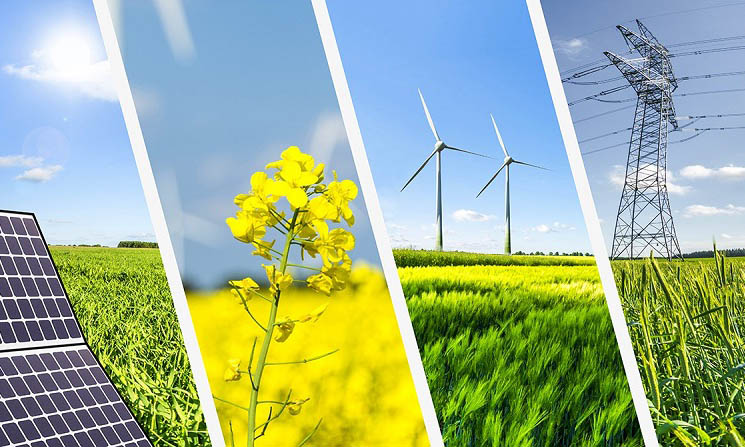
Installed power generation capacity at the national grid reached 46275 MW by end June 2026 as 1820 MW capacity was added during the financial year 2025-26, mainly through solar net-metering.
According to the information now available from official quarters, renewable energy expansion remained a key priority, while inefficient GENCO plants with a capacity of 4625 MW were retired in order to improve efficiency and reduce financial burden. Significant investments were also to the transmission and distribution systems.
During FY 2026-27, power capacity of 3787 MW is planned to be added to the system, mainly from hydropower and solar energy, thereby increasing total installed capacity in the country to 50000 MW, with renewables expected to contribute more than half of the national power generation mix.
For transmission and distribution sectors focus would be on grid modernization and up gradation for enhancing grid reliability and affordability. Privatization of the distribution companies and steps towards competitive markets would also be the key interventions for tracking the progress in the sector.
During FY 2025-26, crude oil production in the country reached 23.85 million barrels while natural gas production stood at 1.07 Trillion Cubic Feet (TCF) per annum. Local coal and liquefied Petroleum Gas (LPG) production exceeded expectations, reflecting progress in indigenous resource utilization. Liquefied Natural Gas (LNG) imports remained below planned levels because of international supply constraints.
During FY 2026-27, the federal government aims to strengthen domestic energy production, expand strategic storage infrastructure, advance project s such as Turkmenistan-Afghanistan-Pakistan-India (TAPI) Gas Pipeline and underground gas storage and encourage frontier basin exploration to improve long-term energy security and reduce import dependence.