

Five Construction-Readiness Checks for Municipal Sewer Projects
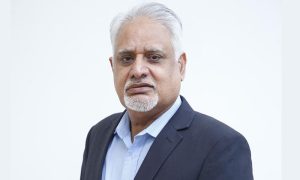
By Mirza Sabir Baig, Construction Project Manager, Kommunalbetrieb Krefeld AöR (KBK)
MSc Groundwater Management, TU Bergakademie Freiberg, Düsseldorf, Germany
On drawings, a municipal sewer project looks linear: excavate, lay pipe, build manholes, test, backfill and reinstate the road. On site, expensive problems often appear in the gap between what drawings assume and what the trench reveals. An undocumented utility, higher groundwater or a manhole located differently from the record can stop construction and force decisions under pressure. These risks cannot always be eliminated during design because underground conditions are rarely known with complete certainty. They can, however, be identified earlier. Five practical checks before irreversible work begins can reduce that uncertainty. 1. Treat drawings as a hypothesis before excavation, compare the design with utility records, survey information, CCTV inspections of existing sewers and a walk along the alignment. Check connection invert levels, manhole locations and available working space. A discrepancy found early may need only coordination or clarification. The same discrepancy found at full trench depth can mean idle equipment, traffic-control extensions and redesign. 2. Verify utility crossings in the ground, not only on paper Recorded utility positions are often approximate. Critical crossings involving gas, water, electricity or telecommunications should be confirmed through trial pits, hand excavation or vacuum excavation before the main trench reaches them. On one project, a drawing indicated that an existing water main was deep enough for a proposed sewer to pass underneath. Trial excavation showed that the main was considerably shallower than recorded. Work was stopped, the actual level was surveyed and the crossing arrangement was reviewed. The value was finding the conflict while several technical options were still available. 3. Confirm groundwater and soil before going to full depth Groundwater affects trench stability, bedding quality and productivity. The planned dewatering and shoring method should be checked against conditions in the first opened section. If groundwater enters higher or faster than expected, pipe laying should not simply continue. Groundwater level, soil condition and inflow should be reassessed, and suitable dewatering introduced before stable bedding is constructed. 4. Set hold points before work is covered Bedding, pipe laying, connections, manhole construction, testing and backfilling each hide the work completed before them. Project teams should agree which stages require inspection and who has authority to release the next activity. On another sewer section, the pipe was ready for backfilling when an elevation check showed that the downstream invert did not provide the required gradient. Because the trench was still open, the affected section could be lifted, the bedding corrected and the level checked again. If discovered after road reinstatement, the same defect would have required reopening the pavement and excavating the completed trench. A hold point does not guarantee zero defects; it prevents an accessible defect from becoming a buried, expensive one. 5. Record decisions where the next person can find them Field changes agreed verbally or by telephone are easily lost. Each significant discrepancy should have a short dated record showing what was found, what decision was made and what verification was completed. Photographs, survey results and test records support final acceptance and provide better as-built information. The objective is not zero uncertainty. It is to identify which uncertainties matter, verify them early and make a deliberate decision before each stage becomes difficult or expensive to reverse.
About the Author Mirza Sabir Baig is a construction manager specializing in municipal sewer, road and underground infrastructure projects in Germany. His international experience includes infrastructure construction, groundwater control, utility coordination and site management in Germany, Qatar, Oman and Pakistan. He holds an MSc in Groundwater Management from TU Bergakademie Freiberg, Germany