

Report by Engineering Post
Pakistan-China friendship which was rooted in mutual trust and shared interests has since evolved into a strategic cooperative alliance, with the China Pakistan Economic Corridor (CPEC) as a transformative pillar. Under the overall framework of CPEC, regional connectivity has been enhanced by shortening trade routes, lowering transit costs and linking China’s western regions to global markets via Gwadar Port. It was also strengthening Pakistan’s integration into regional and global supply chains, fostering trade , investment, and inclusive development.
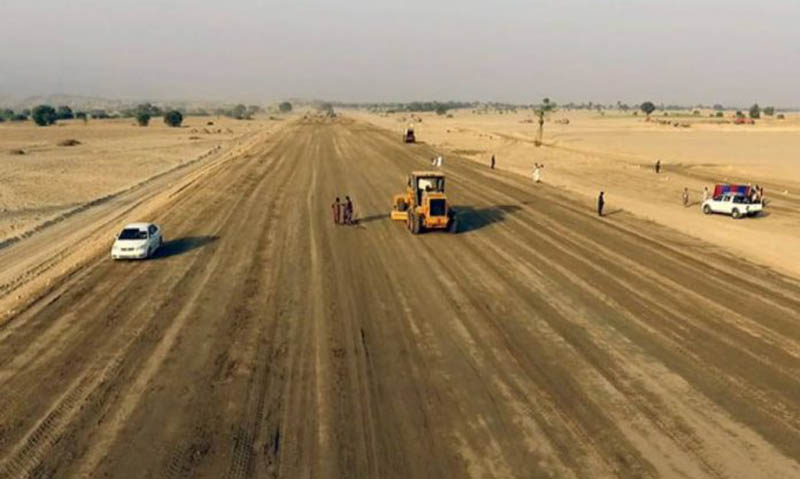
In the transport infrastructure sector, eight projects totaling US $ 6.7 billion some time back have been completed, while several others were underway in different parts of the country and reportedly at varying stages of their completion. Notably, more than 888 kilometers of motorways and highways have been constructed, with an additional 883 kilometers in progress through local funding.
The Havelian-Thakot section of the Karakoram Highway (KKH) , recognized with the ENR Award for excellence, stands as a flagship initiative.
Technological milestones included the completion of the Cross-Border Optical Fiber Cable and a pilot for Digital Terrestrial Media Broadcasting. Gwadar Port has since been completed and fully operationalized, alongside the completion of a hospital, a vocational training institute, and a desalination plant were the key steps towards transforming Gwadar into a smart port city.
Key operational projects included the Multan-Sukkur Motorway (392 kms), Hakla-Dera Ismail Khan Motorway (297 kms), KKH Phase 11 Havelian-Thakot (120 kms) and Khuzdar-Basima (110 kms).The Orange Line Metro train in Lahore and the operationalization of the New Gwadar International Airport quite obviously demonstrate further advancement in urban and air connectivity.
Preparations were in the final stages for the realignment of the Thakot-Raikot section of the KKH (241 kms) due to the construction of the Dasu and Bhasha Dams.