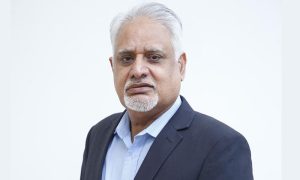

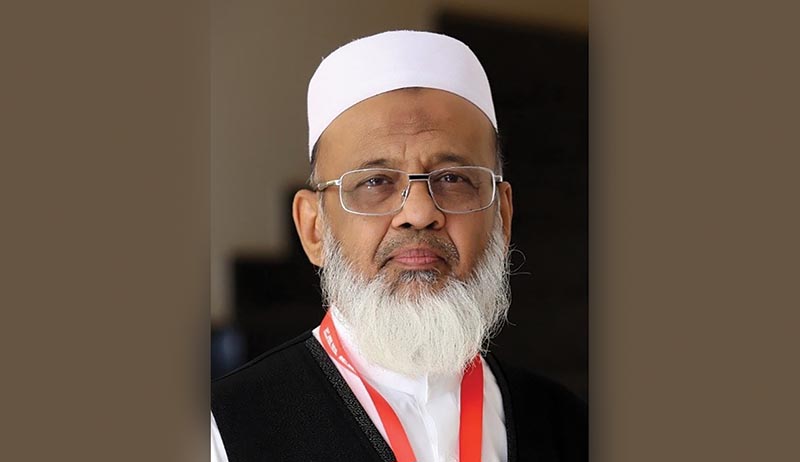
Engr. Khalid Pervez, CEO, KPWS Consulting (Pvt) Ltd
Engr. Khalid Pervez, Chief Executive Officer of KPWS Consulting, is a well-known name in Pakistan’s engineering and consultancy sector with extensive experience in industrial development, energy solutions and engineering services. KPWS Consulting has been actively contributing towards engineering consultancy, technical advisory and infrastructure-related projects while promoting modern engineering practices in Pakistan. During an exclusive conversation with Engineering Post at Lahore, Engr. Khalid Pervez shared his views on the global economic situation, Pakistan’s manufacturing potential, renewable energy opportunities and the importance of consistent industrial policies for sustainable growth.
Speaking about the IEEEP Expo, Lahore, Engr. Khalid Pervez said that the Lahore chapter has played an important role in strengthening the engineering industry through such exhibitions and technical activities. He expressed confidence that the future of the Lahore chapter of IEEEP Expo is very promising and that it will continue to grow in both scale and influence in the coming years.
“The efforts of the Lahore chapter are commendable. I wish the Lahore chapter the best of luck and I hope with time it will catch up to the IEEEP Expo of Karachi,”
Discussing the international economic environment, Engr. Khalid Pervez observed that geopolitical tensions and ongoing conflicts around the world have severely affected economic growth and industrial activity globally.
“The global economy has slowed down because of geopolitical instability. Markets across the world are facing uncertainty and even when wars end, the economic effects remain for years. Industries and investors need confidence and stability, and unfortunately the current global situation has disturbed that balance,” he remarked.
While Talking about Pakistan’s industrial and manufacturing potential, Engr. Khalid Pervez stated that the country is rich in resources and opportunities, particularly in renewable energy and manufacturing sectors. However, he emphasized that the real challenge lies in converting that potential into practical and sustainable industrial development. “We all know Pakistan has enormous potential. Whether it is wind energy, solar energy or manufacturing capability, the opportunities are there. We proudly talk about this potential all the time, but when it comes to transforming that potential into practical results, that is where we are lacking,” he explained.
During the conversation he further highlighted that excessive taxation and heavy duties on raw materials are discouraging investors and industrialists from moving towards local manufacturing. “Currently, taxation in Pakistan is so heavy that anyone considering local manufacturing becomes discouraged. The government should reduce duties and taxes on raw materials so that local industries can become competitive and manufacturing activities can expand,” he said.
He stressed that policy consistency is equally important for economic progress and investor confidence. Without stable and long-term policies, industries remain uncertain about future investments and planning. “We recently saw what happened with solar consumers. First people were encouraged to invest in solar energy and later policies changed. The same thing happened with CNG in the early 2000s. It was promoted heavily and later policies were revised when the realities changed. Such inconsistencies create uncertainty and discourage long-term investment,” he stated.
During the conversation he emphasized that the standardization and certification infrastructure needs to be developed in Pakistan. “Standardization and certification labs are extremely important for Pakistan. Without proper testing and certification facilities, industries cannot achieve international standards or gain the confidence required for exports and technological development,” he concluded.