
Report by Engineering Post
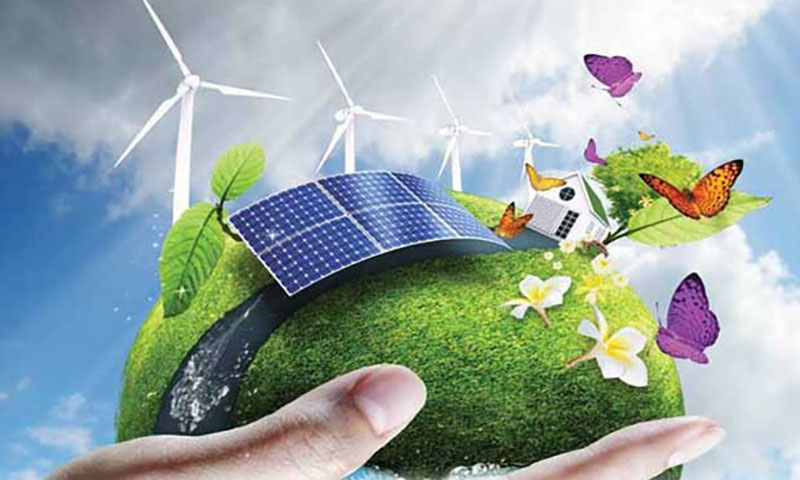
As Pakistan is advancing towards a future marked by a sustainable power sector and enhanced energy security, several key energy sources assume quite pivotal roles in achieving these cherished objectives.
Each of these resources, hydropower, wind, solar, bagasse, and Thar coal ,is contributing uniquely to the energy landscape, addressing different aspects of sustainability and security.
The federal government has embarked upon harnessing all these resources in order to curb the country’s greenhouse gas emissions. Renewable energy not only contributes to affordable electricity nationwide and stabilizes energy prices in the long but also aligns with the sustainable development goals (SDGs) of the United Nations (UN) particularly SDG-7, by promoting access to clean energy, alleviating poverty, addressing climate change, and ensuring access to affordable, sustainable , and modern energy for all.
As regards coal-based projects, the federal government was fully cognizant of the climate change agenda, hence, all such projects have been developed in strict compliance with the international environmental standards set by the
World Bank, International Finance Corporation (IFC). Private Power & Infrastructure Board (PPIB), being a policy implementing agency of the federal government, also has a strong focus on the development of clean and indigenous power generation sources.
Presently, out of 88 operational Independent Power Producers (IPPs) , 59 IPPs of 4721 MW were based on renewable energy, developed by the private sector on IPP mode supported through PPIB which included Ten solar projects of 680 MW ;Five run-of-river hydropower projects of 1937 MW; Thirty six wind power projects of 1845 MW, and Eight bagasse co-generation projects of 259.1 MW.
Thanks to the sustained efforts by all official agencies , wind, solar, hydel and bagasse based power generating projects were now on the whole contributing about 35 percent to the power mix, including 9619 MW from public hydropower projects and 100 MW from KE’s solar plant.
However, for ensuring universal and affordable access to electricity in all regions of the ,the federal government has set a target of 60 percent of on-grid capacity from renewable energy technologies, including hydro, by 2030 based on the least -cost principles through the indicative Generation Expansion Plan, the PPIB sources stated concludingly on being contacted.