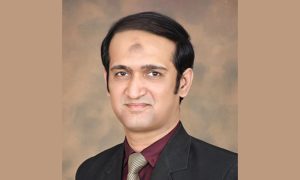

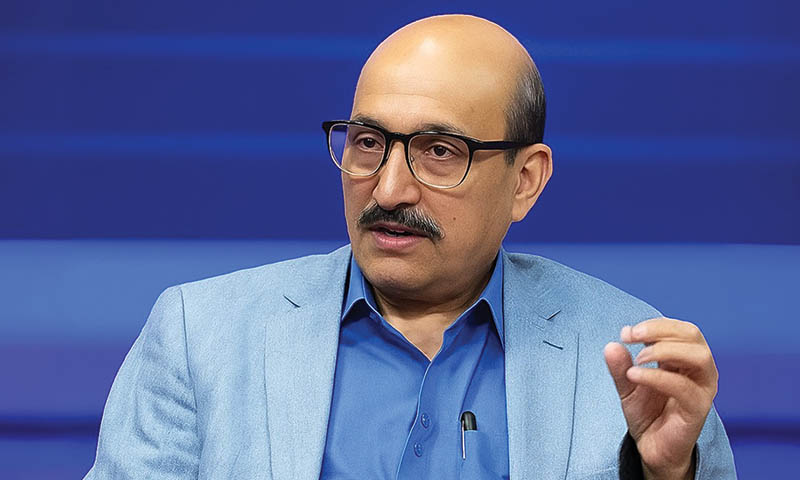
Dr. Sohail Rana, COO, Power Vision Systems International
As Pakistan’s industrial sector grows, dependable energy sources remain crucial. Diesel generators are central to this ecosystem, powering essential services like healthcare, telecom, and manufacturing. However, their environmental impact—especially in urban centers like Lahore and Karachi—has intensified the need for cleaner solutions. Diesel emissions contribute significantly to urban air pollution, emitting harmful substances such as NOx, PM, CO, and CO. These pollutants not only degrade air quality but also pose serious health risks, with local air quality often exceeding safe levels set by the World Health Organization.
Globally, diesel engine standards have evolved through the Euro emission norms (Euro I to VI), which limit emissions of harmful gases. The transition from Euro II to Euro V has introduced critical emission control technologies: Exhaust Gas Recirculation (EGR) to lower NOx, Diesel Particulate Filters (DPF) to trap soot, Selective Catalytic Reduction (SCR) systems to neutralize NOx with urea, and Electronic Fuel Injection for precise combustion. These innovations not only cut emissions but also improve fuel efficiency, engine life, and overall reliability. The real benefit lies in their dual value: safeguarding the environment while boosting economic efficiency.
In Pakistan, the continued use of outdated diesel engines exacerbates urban air quality issues. Shifting to Euro-compliant technologies is no longer optional; it is vital. Cleaner diesel systems, particularly in high-usage sectors such as telecom, healthcare, and industry, offer an effective path to reduce pollution and operational costs. In many cases, initial investments are offset by lower fuel consumption and reduced maintenance needs. Engineers and decision-makers evaluating generators should prioritize emission compliance, fuel efficiency, durability, reliable support, and innovation. This ensures long-term viability while aligning with global sustainability goals.
Case studies in Pakistan underscore this shift. A telecom provider in Punjab achieved an 18% fuel cost reduction with upgraded generators. A hospital in Karachi cut particulate emissions by over 60%, and a manufacturing facility in Faisalabad extended engine life by 30%. These outcomes reflect how investing in clean diesel pays dividends across operational, environmental, and economic dimensions. They also highlight a broader industry trend toward embracing clean technology not just for compliance, but for competitive advantage.
Among the solutions gaining traction is Lister Petter, a brand recognized for delivering durable, emission-compliant generators. Their Euro II to Euro V models address today’s demands for cleaner technology while maintaining superior fuel efficiency and operational reliability. Lister Petter’s robust design, efficient fuel systems, and comprehensive after-sales support make them a preferred choice for mission-critical applications. These generators are particularly suited for Pakistan’s climate and infrastructure demands, offering resilience and uptime in harsh conditions.
Moreover, their commitment to innovation positions them for future readiness. Engineers favor brands that don’t just meet standards but aim to exceed them—and Lister Petter fits that bill. Their generators are increasingly adopted in hospitals, commercial buildings, telecom operations, and agricultural setups where reliability and environmental responsibility must go hand in hand. Supporting cleaner air today ensures healthier communities tomorrow—an objective that resonates deeply with both engineers and public health advocates.
About the Author
Dr. Sohail Rana, COO of Power Vision, brings over two decades of experience in Pakistan’s energy sector. He has contributed to national and international dialogues on sustainable power solutions and has actively promoted the adoption of cleaner diesel technologies. Dr. Rana is known for his leadership in advocating environment-friendly solutions in engineering and industrial operations.