
Report by Engineering Post
The population of major cities in Pakistan has increased substantially between 2017 and 2023, reflecting urbanization, migration, and expansion of metropolis areas. The latest population census was held in 2023 instead 10 years after the last census in 2027 due to unprecedented pressures from various sources.
Karachi remains the largest city, with a population that has increased from 14.88 million in 2017 to 18.87 million in 2023, with an average annual growth rate of 4.04 percent. This rapid growth of the country’s economic hub poses challenges in terms of infrastructure and public service provisions. Population of Hyderabad grew more moderately, rising to 1.92 million in 2023 with a 1.53 percent average annual growth..
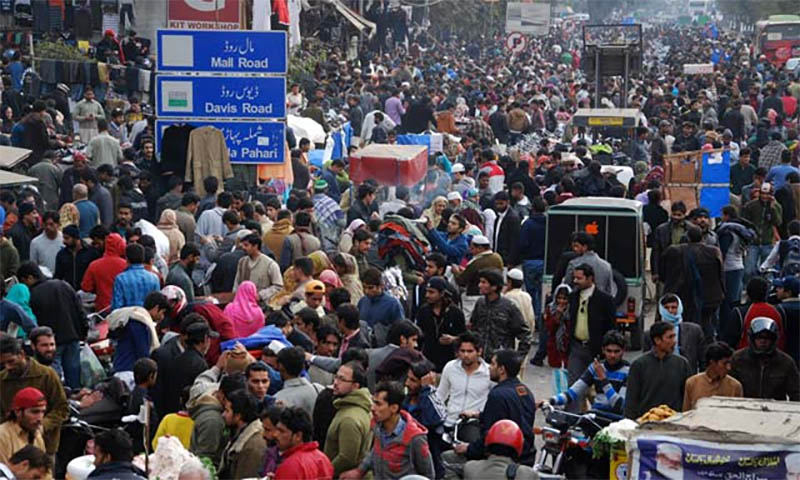
Lahore’s population had increased from 11.12 million in 2017 to 13.0 million in 2023, largely driven by economic opportunities, especially in the service sector, improved infrastructure, and urban expansion.
Faisalabad’s population reached 3.69 million in 2023, reflecting its continued significance as a major industrial hub, while that of Multan, the commercial hub in southern Punjab, saw its population rising to 2.2 million , Gujranwala grew to 2.67 million , reflecting steady industrial and agricultural growth.
Rawalpindi experienced the highest average growth, reaching 3.36 million in 2023 with an annual growth rate of 8.18 percent, fueled by its proximity to Islamabad and ongoing infrastructure development. Meanwhile, Islamabad itself saw controlled growth , increasing its population to 1.11 million, mainly due to zonal laws.
Peshawar’s population, on the other hand, declined slightly to 1.91 million by 2023 due to various socioeconomic challenges and migration to other regions. In contrast, Quetta saw rapid growth , with its population reaching 1.57 million with an average annual growth rate of 7.79 percent, primarily driven by rural migration and its strategic location.
According to the experts, these trends underscore the urgent need for sustainable urban planning, improved infrastructure and balanced regional development to effectively manage the challenges of rapid population growth.