
Report by Engineering Post
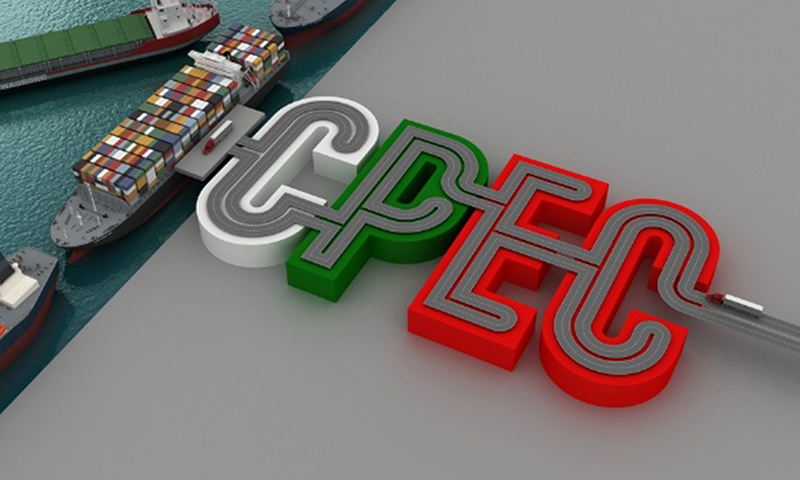
The China-Pakistan Economic Corridor (CPEC) was a long -term strategic programme being implemented by time-tested, all -weather, iron brother China in Pakistan. CPEC as such was designed to foster industrialization, trade facilitation, regional connectivity, integration within the global value chains, and socio-economic development. The CPEC initiative also focused on poverty alleviation, agricultural modernization, operationalization of Gwadar Port, and promoting the blue economy. CPEC duly encouraged and promoted third-party participation. Recognizing the evolving global landscape, the scope of CPEC has been broadened to also include cooperation in Science and Information Technology, reinforcing its comprehensive development framework.
At the core of the CPEC lay a strategic vision to connect Gwadar Port in south western Pakistan to China’s Xinjiang region through an extensive network of roads and railways. In its first phase, CPEC had prioritized Early Harvest Projects focusing heavily on energy and infrastructure. These early investments had duly addressed the critical deficiencies and established a solid foundation for accelerated economic growth and around 38 projects were completed in numerous sectors worth more than US $ 25 billion. As a result of such accomplishments, Pakistan had noted a rise in the industrial activity, improved logistics, and growing investor confidence and delivered a long-term stimulus to the national economy .
Looking ahead, the emphasis of CPEC was quite rightly shifting toward inclusive socio-economic development and achieving targets of Sustainable Development Goals (SDGs) by focusing on five corridors i.e. Growth, Innovation, Green Development, Livelihood Improvement and Regional Openness which were aligned with the National Transformational Plan based on SEs Export, Equity, E-Pakistan, Energy and Environment objectives outlined in URAAN Pakistan.
Science and Technology cooperation was also being actively pursued , with an emphasis on technology transfer and upgradation, for supporting Pakistan’s sustainable development and enhancing productivity across various sectors. CPEC as such continued to evolve as a transformative platform for promoting and strengthening regional cooperation, economic resilience, and shared growth. As regards performance, the CPEC continued to make quite significant strides during the just ended financial year 2024-25, making key achievements across various sectors.
A standout development was the progress in the establishment of four priority Special Economic Zones (SEZs): Rashakai, Allama Iqbal Industrial City, Dhabeji , and Boston, supporting industrial growth, technology transfer and innovation in line with the SDGs , These SEZs were central to Pakistan’s industrialization agenda in the second phase of the CPEC.