
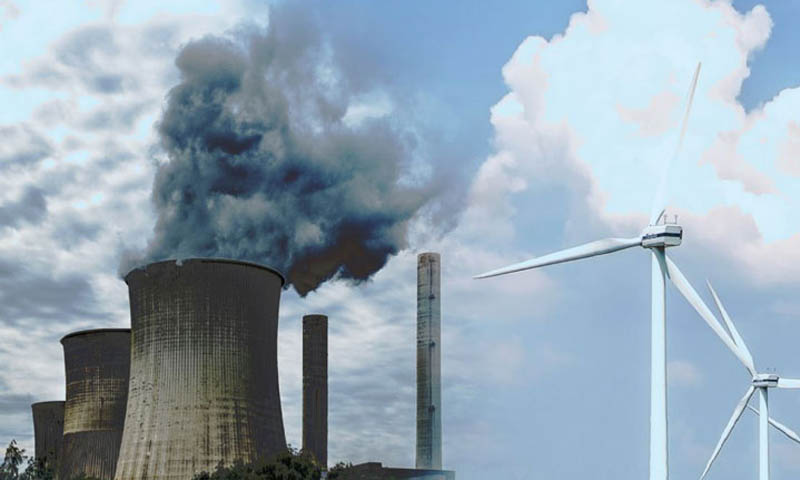
In a decisive move to tackle its crippling energy crisis and secure a sustainable future, Pakistan has launched a major collaborative project between the Centre for Economic Research in Pakistan (CERP) and Princeton University. Announced at the “Pakistan’s Energy Transition Roadmap” workshop, the initiative will develop a long-term national framework to shift the country away from expensive, imported fossil fuels – which supply nearly 60% of its energy – towards affordable, clean power aligned with economic growth and climate resilience.
The partnership confronts a sector in deep distress: soaring costs, volatile prices, persistent power shortages driven by outdated infrastructure and transmission bottlenecks, and a mounting circular debt crisis. Federal Minister for Energy Sardar Awais Ahmad Khan Leghari stressed the need for an integrated, evidence-based approach: “The Energy and Petroleum Division are working separately, but for the plan to be truly effective, it needs to be built on real, credible data,” he stated, committing to formalize ties with CERP for expert insights.
CERP President & CEO Maroof A. Syed emphasized the roadmap’s collaborative nature: “This project isn’t about imposing ideas, it’s about co-creating a roadmap that respects Pakistan’s unique challenges,” he said, highlighting CERP’s commitment to rigorous, locally-tailored solutions. The project leverages Princeton’s renowned Net-Zero expertise to provide evidence-based guidance for an equitable transition.
Bilal Anwar, CEO of the National Disaster Risk Management Fund, underscored the climate imperative, stating planning is urgent “to avoid future social and economic costs” worsened by natural disasters.
The launch culminated a three-year capacity-building workshop series cosponsored by Princeton’s Julis-Rabinowitz Center. Dr. Chris Greig of Princeton noted the sessions revealed the “urgency of finding context-specific solutions,” while the Center’s Pallavi Nuka said they had “catalyzed significant thinking” on energy policy.
The newly initiated detailed work will explore multiple pathways to meet growing energy demand sustainably. It will also Identify strategies to slash economic and environmental costs.
Moreover it will Pinpoint renewable investment opportunities boosting climate resilience. This strategic framework marks Pakistan’s critical step towards energy security, economic stability, and a climate-resilient future.