

Report by Engineering Post
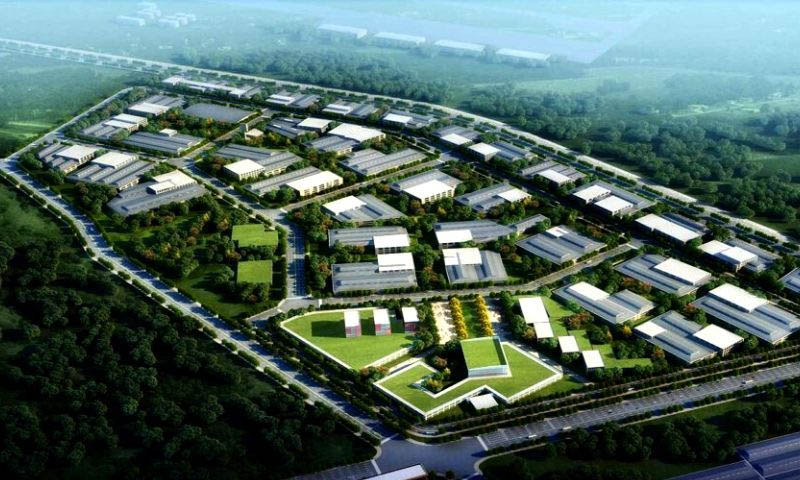
Pakistan has somehow missed the investment and employment generation targets of its Special Economic Zones (SEZs) under the overall framework of the great game changer China-Pakistan Economic Corridor (CPEC) in its first phase.
According to the information available from the official sources, only four SEZ were reported to have been operationalized during 2025, the last year of the first phase of the CPEC.
The sources said that the federal government had targeted to attract more than $ 8 billion in direct foreign investment and also generation of about five lakhs employment opportunities under the CPEC between 2018 and 2024 but the targets were missed as the implementation somehow had remained pretty limited missing the set targets.
Out of nine SEZs designates in the first phase of CPEC, only four SEZs namely Rashakai in Khyber Pakhtunkhwa , Allama Iqbal Industrial City in Punjab, Dhabeji in Sindh and Bostan in Balochistan had progressed beyond the planning stage with partial development in varying figures.
The federal government was now shifting its focus to CPEC second phase in 2026 which centered on industrialization, export-led growth and business-to-business (B2B) cooperation. Joint Cooperation Committee (JCC) in its latest meeting in September 2025 had proposed government-to-government industrial zones in Islamabad and Karachi in order to facilitate relocation of Chinese industries in sectors such as electronics, textiles, pharmaceuticals, and electric vehicles (EV) as production costs of these was rising in China itself.
As per information available, CPEC launched in 2015 with an initial value of $ 46 billion had expanded to 65 billion by 2022. It has so far brought in about $ 30 billion in realized investment across energy , transport and industrial sectors creating more than 261000 direct jobs.
Major projects included 1320 MW Port Qasim coal power plant, which created more than 5000 jobs, and Sahiwal Coal Power Plant which had created over 3770 employment opportunities. The federal government sources estimate that labour -intensive sectors such as textiles, electronics assembly and light engineering could generate up to 500000 formal jobs by 2030 under the overall framework of CPEC.
Supporting measures included expansion of the CPEC Consortium of Universities to 130 institutions and development of vocational training programs to address industrial skill gaps. Internet generation has also increased from 11 percent in 2015 to 54 percent in 2024,aiding digital integration.
CPEC related commerce has grown from $ 4.8 billion in 2015 to $ 16 billion in 2023. Officials expected that the country’s industrial export capacity could rise by 20 percent if governance, security and regulatory frameworks improve.
Separately,major railway line Main Line (ML-1) from Karachi to Peshawar upgradation i n due course of time was expected to reduce freight transit time between Karachi and upcountry industrial hubs by around 40 percent ,lowering logistic costs.The major railway project was currently undergoing financial adjustments,as Pakistan was exploring financing from multilateral international financial institutions.
Chinese officials at the latest dialogue have reaffirmed support for Pakistan’s industrialisation efforts and also highlighted the opportunities for mutual cooperation in agriculture , information technology, pharmaceuticals and manufacturing.