
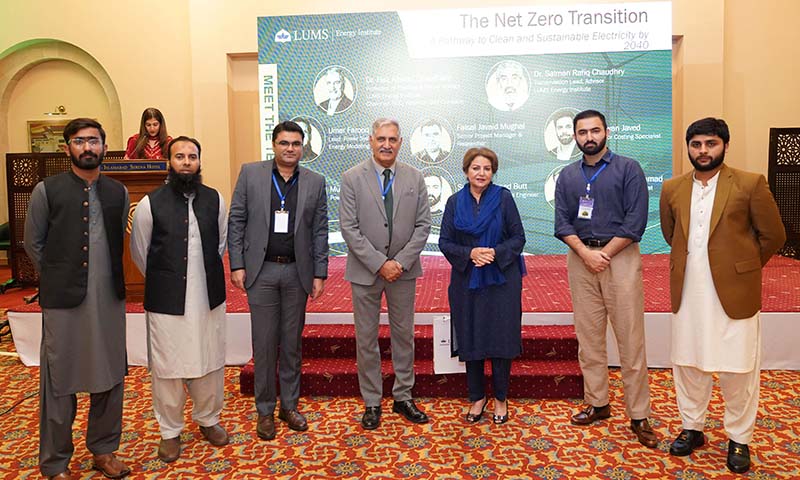
A groundbreaking study by the LUMS Energy Institute has concluded that Pakistan can achieve a clean, largely fossil-free electricity system by 2040 without compromising affordability, reliability, or energy security.
The report, titled ‘The Net Zero Transition: A Pathway to Clean and Sustainable Electricity by 2040’, presents one of the most comprehensive analyses of the country’s power sector to date. Based on advanced system modelling and demand projections, it outlines a realistic pathway to reduce fossil fuel-based electricity generation, currently nearly half of the energy mix, to less than one percent by 2040.
According to the study, this transition could prevent up to 78 million tons of carbon emissions, positioning the power sector at the forefront of Pakistan’s climate strategy. A key driver of this shift is the rapid expansion of distributed solar energy, which is expected to significantly lower daytime grid demand, with minimum system load projected to drop to around 3,000MW during certain periods.
The report proposes a 15-year roadmap featuring the addition of 8,500MW of solar, 14,000MW of wind, and 7,000MW of battery storage capacity, alongside critical grid modernization investments estimated at $5.5 billion. It emphasizes that integrating indigenous renewable resources will reduce reliance on imported fuels and shield the economy from global price volatility.
Speaking at the launch, Shaista Pervaiz Malik highlighted the importance of evidence-based policymaking, while Musadik Malik stressed the need to harness local resources through sound policies. Experts noted the study offers a practical blueprint for achieving a stable, affordable and sustainable energy future.