
A Candid Conversation with Diwan Fakhruddin
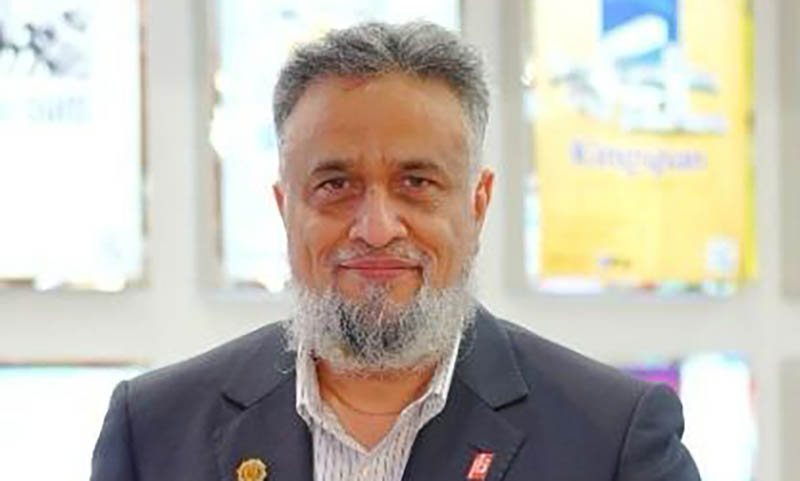
Diwan Fakhruddin, is the Founder of Fakhri Group of Companies (The Air-conditioning, Firefighting and Insulation People), Chairman of the Pakistan-UAE Business Council of the FPCCI and a member of SAARC Chamber. He is a seasoned entrepreneur with deep roots in both Pakistan and the Gulf region, and has played a pivotal role in bridging industrial collaboration between the two markets. Through Fakhri Brothers and the wider Fakhri Group, he continues to champion innovation, safety standards, and regional integration in engineering services. Fakhri Group is importing quality products from Europe USA and Far East. The groups mainly deals in Copper, MS Pipes, Valves and fire fighting products.
During a recent exclusive conversation with Engineering Post, while speaking about the HVAC sector, Diwan Fakhruddin emphasized that heating, ventilation and air conditioning systems are no longer a luxury but a necessity in today’s world. “Given the prevailing global climate change, HVAC has become essential infrastructure,” he said. With temperatures rising steadily across South Asia and the Middle East, he noted that Pakistan’s climate conditions are increasingly resembling those of the Gulf Cooperation Council (GCC) countries, where ambient temperatures remain extremely high for much of the year. “There is a lot of scope in Pakistan, a lot of untapped potential,” he added.
Tracing the roots of the company’s journey, Diwan Fakhruddin shared that Fakhri Insulation began its operations in Dubai, positioning itself strategically within one of the most dynamic construction markets in the region. Operating in the GCC allowed the company to gain firsthand experience in handling extreme climatic conditions and adopting international standards in insulation and energy efficiency. This experience, he explained, is now being leveraged to support projects in Pakistan, where similar environmental challenges are emerging.
Discussing regional economic integration, Diwan Fakhruddin highlighted an important development within the GCC: the move towards a Schengen-style visa model. Under this proposed framework, a visa issued by one GCC country would enable mobility across other member states. He described this initiative as a significant opportunity for businesses like Fakhri Insulation. “If implemented, it will streamline operations, improve accessibility, and make cross-border project execution much easier,” he noted. Additionally, he pointed out that the GCC region offers duty-free export advantages, creating an enabling environment for Pakistani businesses seeking to expand their horizons. According to him, these policies can serve as a gateway for engineering and insulation companies aiming to scale regionally.
On the industrial front, Diwan Fakhruddin revealed that the Fakhri Group of Companies has collaborating with Hira Industries for all type of sandwich panel insulation solutions. He expressed satisfaction with the level of technical and operational support being extended through this partnership. Such collaborations, he explained, ensure that projects meet international benchmarks while strengthening local capacity in Pakistan.
Addressing fire safety concerns in the wake of the tragic Gul Plaza fire incident, Diwan Fakhruddin stressed the urgent need to upgrade Pakistan’s fire response and prevention systems. “Our people need more training and experience to work properly in life and death scenarios. We need to implement SOPs as well”
He shared that efforts are underway to collaborate with NAFFCO, a highly reputed fire safety and protection solutions provider based in the GCC. The objective, he said, is to facilitate professional training programs in Pakistan for firefighters and first responders. “NAFFCO is an extremely professional organization, and our firefighters can gain immense benefit from structured training and exposure to advanced fire safety technologies,” he remarked.