
Report by Engineering Post
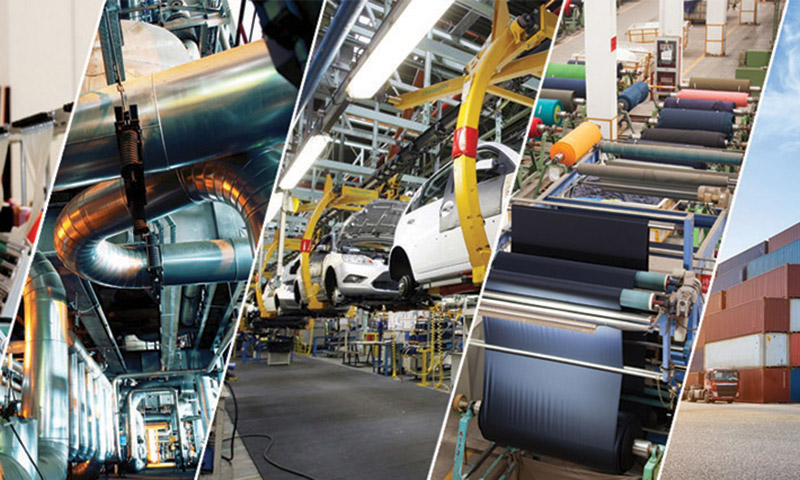
The Manufacturing and Mining sectors remain critical for Pakistan’s industrial base, jointly contributing 13.2 percent to Gross Domestic Product (GDP), Within the manufacturing sector, Large-Scale Manufacturing (LSM) plays a dominant role , accounting for as much as 67.5 percent of the manufacturing sector and 8.0 percent of GDP.
Over the past few years, Pakistan’s manufacturing sector, particularly LSM, has faced significant headwinds amid a challenging macroeconomic environment. The country has been grappling with a rather precarious current position and a high fiscal deficit, necessitating stabilization measures under the International monetary Fund (IMF) programme.
However, it is good to note that the LSM sector has opened the financial year 2025-26 with its strongest showing in years to say the least. In July 2025, as per the figures now becoming available, LSM sector had posted a thumping 8.99 percent year-on-year (YOY) increase, the highest growing in three year and also the highest -ever imdex value during any month of July at 115.7.
For the first time in ages, it also marked that a broad majority of the industries had joined the party.:16 of the 22 tracked sub-sectors grew year-on-year compared to just 11 or 12 in recent months.
In this regard, the heavy lifters were quite familiar names. Automobiles surged nearly 58 percent , riding a low base and improved demand. Garments also rose almost 25 percent thereby contributing the single largest boost to the overall growth. Cement industry expanded by 19 percent, reflecting a long-overdue pickup in construction-linked activity, while petroleum products gained 13 percent. Even furniture, a sector which was usually written off as just being irrelevant had clocked an eye-popping 87 percent rise.
The outlook has also been complicated by fresh trade data while August export numbers were also casting a shadow on the July index.
Automobiles and cement sectors both have reported strong August numbers, but their combined were unlikely to offset the dragging from garments sector and also from furniture sector which had been a surprise July winner.
Avoiding more facts and figures, which may not be of interest to the readers it is stated that the July surge was real, but so was the whole the LSM had dug itself into. Pakistan’s Industrial engine showed a real spark of life. The challenge was turning that spark into sustained firepower. Without deeper reforms in energy pricing, competitiveness, and industrial policy, the highs of FY22 will ,however, remain a distant memory to say the least.