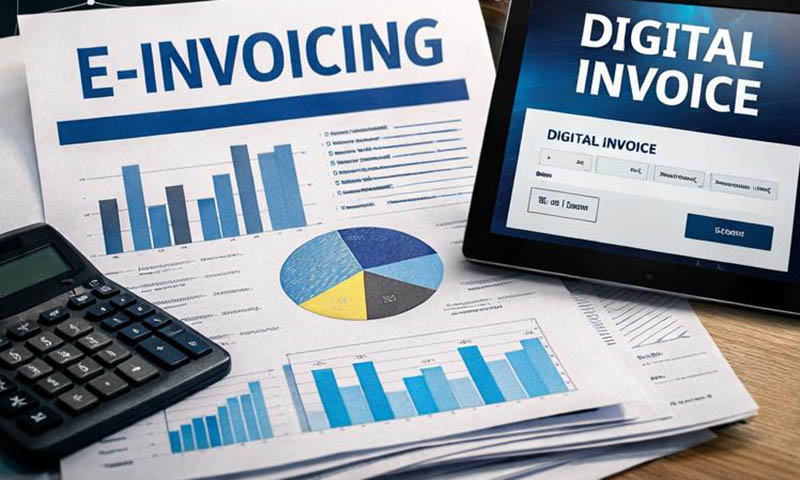
E-invoicing and digital invoicing are playing a transformative role in Pakistan’s ongoing economic reform agenda by strengthening transparency, improving tax compliance, and formalizing the economy. Traditionally, Pakistan has faced challenges such as under-documentation, tax evasion, and inefficiencies in manual invoicing systems. The introduction of e-invoicing, particularly under the Federal Board of Revenue (FBR) initiatives, directly addresses these issues by creating a real-time, verifiable record of business transactions.
One of the most significant impacts of digital invoicing is the expansion of the tax base. By integrating invoices with centralized digital systems, authorities can better track sales, reduce under-reporting, and curb fraudulent practices such as fake or duplicate invoices. This enhances revenue collection without increasing tax rates, supporting fiscal stability and reducing reliance on external borrowing.
E-invoicing also improves ease of doing business in Pakistan. Automated invoicing reduces administrative burdens, minimizes human error, and accelerates reconciliation and audit processes for both businesses and regulators. Small and medium enterprises (SMEs), which form the backbone of Pakistan’s economy, benefit from improved record-keeping, better access to financing, and enhanced credibility with banks and investors.
From a broader reform perspective, digital invoicing supports Pakistan’s transition toward a documented, digital economy aligned with global best practices. It encourages technology adoption, strengthens governance, and builds investor confidence by signaling commitment to transparency and accountability. Overall, e-invoicing is not merely a technological upgrade but a structural reform that contributes to sustainable economic growth and long-term economic stability in Pakistan.