
Chairman Engr. Navid Ansari Highlights Strategic Goals of the Exhibition and Technical Panel Discussions
The Institute of Electrical and Electronics Engineers Pakistan (IEEEP), a leading professional body committed to advancing technology for societal benefit, continues to play a pivotal role in Pakistan’s engineering landscape. Through its Karachi Local Centre, the organization serves as a hub for engineers, researchers, academicians, and industry professionals to connect, collaborate, and cultivate innovation in electrical, electronics, and allied engineering domains.
IEEEP actively promotes professional development by organizing technical conferences, seminars, workshops, and exhibitions. These initiatives not only disseminate cutting-edge knowledge but also bridge the gap between academia and industry, empowering students and young professionals through mentorship programs, internships, and career-building platforms.
14th IEEEP Fair 2025: Pakistan’s Premier Industrial Exhibition
The upcoming 14th IEEEP Fair 2025, scheduled to be held in mid-September in Karachi, stands as a flagship event in the country’s engineering calendar. Recognized as Pakistan’s largest and most influential exhibition in the electrical, electronics, and associated industrial sectors, the fair promises to unite local innovators with international exhibitors, fostering a dynamic environment of technological exchange and collaboration.
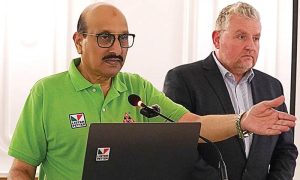
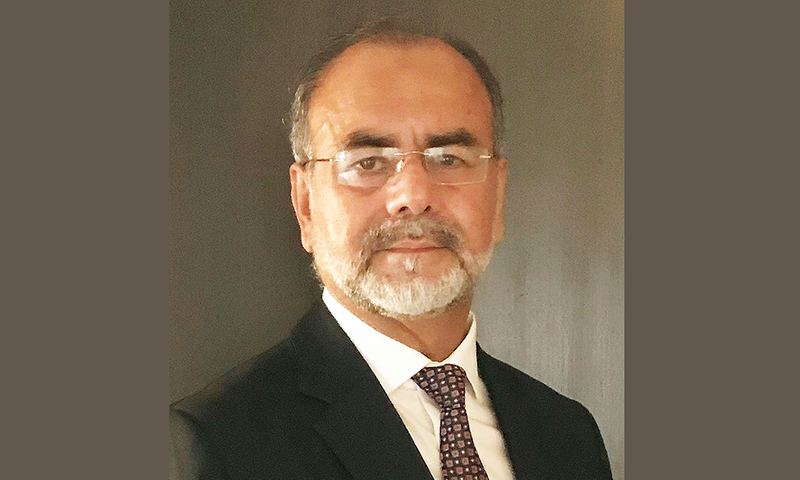
During a recent technical seminar hosted by IEEEP in Karachi, Engineering Post had the opportunity to speak with Engr. Navid Akram Ansari, Chairman of IEEEP Karachi Centre. He shared insights into the vision behind this year’s fair and the thematic focus of the upcoming technical sessions.
When asked about the scale and impact of the exhibition, Engr. Ansari explained that the IEEEP Fair has evolved into a cornerstone event for Pakistan’s engineering community. “This is the 14th edition of what is now regarded as the country’s premier industrial exhibition dedicated to electrical, electronics, and allied technologies,” he noted. “It brings together key players from across the engineering spectrum—including manufacturers of electrical equipment, switchgear, renewable energy solutions like solar and wind, as well as providers of advanced automation technologies.”
Technical Panel Discussions to Explore Strategic Industrial Themes
In addition to the exhibition, IEEEP will host three focused panel discussions, each addressing a critical sector of Pakistan’s industrial ecosystem. Sharing the agenda, Engr. Ansari revealed that the morning session will center around the “Make in Pakistan” initiative, aiming to provide impetus to domestic innovation and support the growth of local manufacturing capabilities.
The afternoon sessions will feature in-depth panel discussions with industry experts from the textile and construction sectors. These discussions will provide a platform to explore emerging technologies, current challenges, and future opportunities specific to these high-impact industries.
Driving Progress Through Awareness and Collaboration
Engr. Ansari further underscored the broader mission behind IEEEP’s ongoing seminar series. “Regular technical discussions are essential to keep our engineering community aligned with global advancements,” he said. “It’s not just about showcasing innovation—it’s about understanding how engineers can respond to national needs by providing practical, sustainable solutions in energy, infrastructure, and industrial development.”
He emphasized the significance of industry-academia partnerships and the need for continuous learning in the face of rapid technological change. The technical dialogues, he noted, are instrumental in fostering such collaborations and nurturing a new generation of engineers equipped to meet future challenges.
A Commitment to Technological Self-Reliance
In closing, Engr. Ansari reaffirmed IEEEP’s dedication to promoting technical excellence and innovation. “Our goal is to support Pakistan’s journey toward technological self-reliance by empowering professionals, encouraging local innovation, and building strong links between academia and industry,” he stated.