

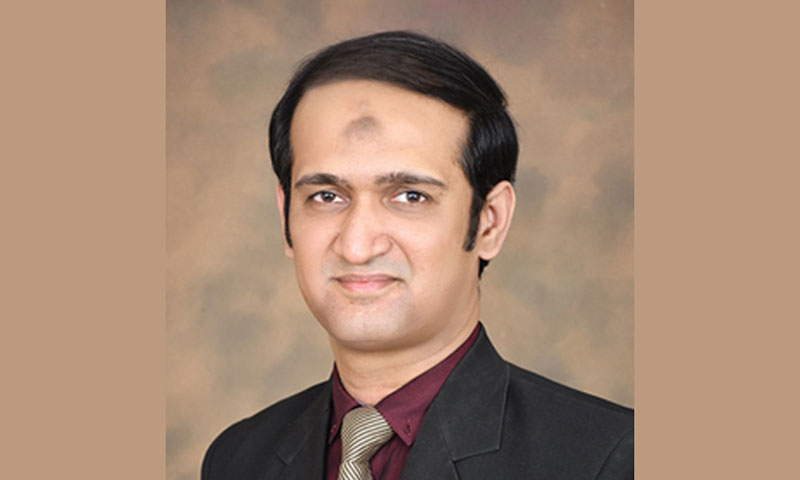
Engr. Dr. Muhammad Nawaz Iqbal
The introduction to the engineering design of human-oriented innovation has become a radical perspective where the needs, behaviors and experiences of human beings have become the central focus of the technological advancement. Contemporary engineering design process is initiated by profound human understanding and compassion towards users rather than initial stages of technical feasibility alone. Ethnographic research, behavioral observation and participatory engagement are increasing in popularity among engineers who need to comprehend how people use technologies in real-life situations so that the solutions they produce are not only technically sound but also socially significant. One of the current trends is the incorporation of emotional analytics in the design of engineering. Engineers can study the emotions of the users through high-tech sensors and artificial intelligence when using prototypes. Face expressions and voice tones as well as behavioral cues give good feedback as to whether a user is comfortable, satisfied or frustrated. This understanding helps designers to create technological products that are more perfect to functional needs as well as emotional and psychological pre-emptions.
The other new aspect of human-centered engineering concerns co-creation with end users. Organizations do not deal with users as passive consumers but ask them to take part in the design process. Engineers work with communities, patients, students, and professionals to come up with ideas, test prototypes and enhance product functionality. The output of this model of collaboration is more relevant, inclusive, and adaptable technologies to the different contexts of users.
Accessibility is also being redefined through the human-centered innovation in the engineering design. The contemporary engineers are gradually creating more technologies that can be used by people who perform differently in terms of physical ability, mental aptitude, and culture. Inclusive design systems would promote the development of versatile products like smart interfaces, support machines, and universal user experiences that would make technology useful to a larger group of people. The emergence of immersive simulation technologies has offered novel options on human-centered engineering. AR and VR enable engineers to have an idea of how users will interact with their products prior to the construction of the products themselves. Designers will be able to see how people move around complicated systems, use equipment, or use computer-like systems and can quickly improve designs without incurring expensive manufacturing of products.
The other important innovation is the merging of behavioral science to engineering design. There is a growing collaboration of engineers with psychologists and sociologists in the context of adopting and using technologies. The understanding of cognitive load, habit formation and decision making behavior assists the engineer to design systems that are easy to operate, which means that the learning curve related to the use of sophisticated technologies will be minimized.
Adaptive technologies have also been developed faster using human-centered innovation. The contemporary products are also programmed to learn about the user behavior and change their functionality. Smart devices, intelligent interfaces, and customized software environments serve the preferences of the user, allowing the dynamic relationship of human and technology to become more usable and efficient.
One of the current developments in the engineering design is cultural sensitivity. The technologies designed to be used in the international markets have to take into account the cultural norms, styles of communication, and social values. The human-centered design processes thus integrate the use of cross-cultural research to make certain that the technological remedies are not irrelevant and disrespectful in various social settings.
Trust is another idea that has been brought to the fore in human-centered engineering. With the increasing use of technologies like artificial intelligence and automation, an engineer should make sure that the users of the systems have confidence in the systems. Explainable interface and transparent algorithms can be used to develop technologies that users can feel free to use and trust.
The other new feature is the application of data-driven user insights. Engineers are able to constantly examine the interaction of the users with the technological systems through data of the digital interactions. Such insights expose latent problems in the usability of a product and enable the designers to improve the product even after launching, and they form a circle of everlasting human enhancement.
Design, which is sustainability-oriented, is also being influenced by human-centered engineering. Now engineers take into consideration the impact of technologies not only on the users but also on the communities and the environmental systems. Products are made in such a way that they reduce wastage, save on energy and encourage responsible use and performance to the individuals.
Another new development is the incorporation of interdisciplinary cooperation. The design process is usually influenced by modern engineering teams, which comprise designers, social scientists, healthcare professionals, and data analysts. This interdisciplinary approach is critical in that the technological solutions put forward to solve human problems are not based on technical considerations.
The human-centered design practices have been further reinforced by the rapid prototyping technologies like 3D printing. Physical prototyping enables engineers to produce prototypes at an early stage in the design process and to have a user interface with it. Real-time user responses facilitate continuity in the process of improvement and this limits chances of coming up with products that do not address the actual human requirements.
Safety engineering is also changing to the human-centered innovation. Engineers no longer study only the mechanical reliability of complex technological systems, but consider human behavior. Designers can develop less risky and more safety-related technologies by learning how people can make mistakes, react to stress, or even communicate with automated systems.
The philosophy of engineering is also being redefined to be all about human-centered innovation. Technology is no longer considered as a means of efficiency or productivity but as a continuation of human ability. The engineers are making a greater responsibility in the design of technologies that improve well being, empower individuals and develop meaningful interactions among individuals and the systems that define modern life.