
Environmental pollution in Pakistan has reached alarming levels, posing severe threats to public health, economic development, and ecological balance. Rapid industrialization, urban expansion, population growth, and weak regulatory enforcement have significantly contributed to deteriorating environmental conditions. Among various forms of pollution, air pollution remains the most critical concern, particularly in major cities where smog and poor air quality have become recurring challenges.
The primary cause of air pollution is the emission of harmful gases produced by burning fuels with high carbon content. Industrial activities are among the largest contributors to this crisis. Many factories generate energy by burning different grades of coal, used tires, diesel, and high furnace oil. These fuels release excessive amounts of carbon dioxide, carbon monoxide, sulfur oxides, nitrogen oxides, and fine particulate matter into the atmosphere. The uncontrolled combustion of low-quality fuels significantly degrades air quality, leading to dense smog, reduced visibility, and serious respiratory hazards.
In addition to industrial emissions, the transport sector is the second major contributor to environmental pollution. Poorly maintained diesel and petrol engines emit thick black smoke due to incomplete fuel combustion. Outdated diesel engines used in buses, trucks, tractors, generators, and industrial prime movers further worsen the situation. Substandard fuel quality and inadequate implementation of emission standards intensify the environmental burden. These emissions not only contaminate the air but also contribute to global warming and long-term environmental degradation.
Although ozone layer depletion is mainly associated with specific chemical compounds, excessive greenhouse gas emissions accelerate climate change. Rising temperatures, irregular rainfall patterns, heatwaves, floods, and other extreme weather events are becoming more frequent. The combined impact of industrial pollution and vehicular emissions severely affects public health, causing asthma, chronic bronchitis, lung infections, cardiovascular diseases, and a reduced average life expectancy.
Practical and Sustainable Solutions
Implementation of Euro Emission Standards:
The mandatory adoption of Euro-standard emission-controlled fuels across industries and the transport sector can significantly reduce sulfur content and particulate emissions.
Ban on Burning Coal and Used Tires:
The uncontrolled burning of low-grade coal and scrap tires must be strictly prohibited. These practices release toxic and carcinogenic substances that pose serious health risks and environmental damage. Strict monitoring and heavy penalties can discourage such harmful activities.
Upgrading Brick Kiln Technology:
The brick manufacturing sector should transition fully to Zigzag kiln technology. This modern method reduces coal consumption, lowers particulate emissions, and enhances fuel efficiency compared to traditional kilns.
Modernization of Engines and Generators:
Replacing outdated diesel engines with modern, fuel-efficient, and low-emission alternatives is essential. Regular maintenance, inspection, and emission testing programs should be enforced to ensure compliance with environmental regulations.
Public Awareness and Policy Enforcement:
Public awareness campaigns can educate citizens about responsible fuel use, vehicle maintenance, and the importance of environmental protection.
Our Commitment to Cleaner Energy
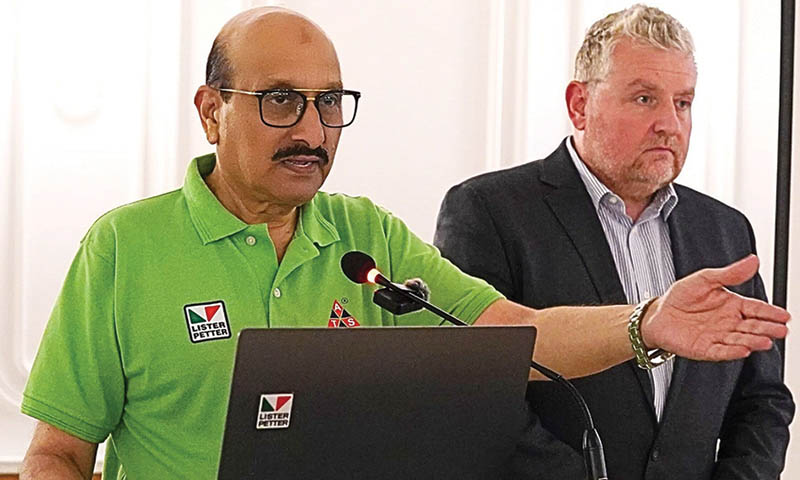
At Power Vision Systems (Pvt) Ltd, we are committed to promoting environmentally responsible power solutions. We supply diesel engines and generators from Lister Petter, known for fuel efficiency and reduced emissions. These engines are designed to meet environmental standards and are recognized as environmentally friendly by the Environmental Protection Authority (EPA).
Environmental protection is not merely a regulatory obligation it is a moral responsibility. By adopting cleaner fuels, modern technologies, and strict emission controls, Pakistan can move toward a healthier, greener, and more sustainable future for generations to come.